SEE INTERESTING ARTICLE BELOW:
viernes, 31 de agosto de 2012
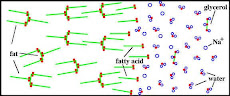
WHY DOES BACTERIA AND MOLD PRODUCE BAD ODORS
jueves, 30 de agosto de 2012
SEE WHAT YOU CAN DO WITH AN ORANGE
See the link below , it is great !!
http://www.youtube.com/watch?v=vZp_q_7IExA&feature=fvwrel
can also make a nice candle.
miércoles, 1 de agosto de 2012
WHY CHEMISTRY ??
Why I am a chemist
Chemistry is a many splendored thing
I am a chemist. I am passionate about chemistry because of its central and tremendously diverse role in the entire scientific enterprise. Chemists can be doctors, inventing drugs and materials for medical implants. Chemists can be architects, designing materials that can confer resilience, strength and aesthetic shapes to building materials. Chemists can be physicists, calculating structures of molecules using quantum mechanics and shining lasers on them to interrogate their properties. Chemists can be astronomers, literally studying star stuff. Chemists can be climate and energy scientists, studying the impact of climate change on the carbon cycle and developing new materials for solar capture. Chemists can be biologists, probing the fundamental basis of life and its origins. Chemists can be chefs and perfumers, concocting uncanny approximations of natural fragrances and flavors for haute cuisine. Chemists can even be fashion designers, developing novel textiles and colors for the latest season. And chemists can be engineers in a very fundamental sense, building molecules atom by atom.
There are chemists and there are chemists
Images of chemists inevitably conjure up slightly bug-eyed scientists with unkempt hair holding green frothing liquids. But as with some other portrayals of scientists in popular sources, this image is simplistic at best and a caricature at worst. Reality is more diverse. How would the scene look like if you collected chemists from all specialties, put them together in a room and asked them to practice their trade? Many chemists would appear in front of fume hoods, specialized enclosures that are designed to suck out noxious fumes and allow a chemist to organize his or her wherewithal. You would indeed see some of them holding colorful, bubbling liquids – and this visual aspect certainly contributes to the allure of chemistry – but you would see many others holding tiny vials with colorless liquids or solids. The contents of those vials could range from DNA to snail toxins to new materials for solar energy. You could also see chemists experimenting with lasers, electronics, x-ray machines and spectrometers and they would still be doing chemistry. Tucked away in a corner, you would then improbably find a few chemists wearing neither lab coats nor tinkering with any kind of chemical apparatus. Instead – and this happens to be my trade – they would be intently staring at a computer screen, watching and manipulating 3D images of small molecules and proteins, writing code and running calculations on the structure and properties of these molecules. These people are still doing chemistry. Finally, there’s a small but significant group of chemists who you would not locate in this room; you would find them instead scattered thousands of miles away in rainforests, oceans and the arctic expanse. These chemists are digging deep into the soil, studying amphibians and scooping water in search of new drugs. Others would be testing water, soil and air samples for environmental pollutants.
Chemistry permeates our world
The foregoing discussion exemplifies the sheer diversity of chemical science and its practitioners. The heart of chemistry is the science and art of synthesis, a process that can make novel molecules which never existed before. The impact of this activity on human civilization is hard to overstate. Look around you. Every single bit of material entity that you see has either been synthesized in the flask of a chemist or is a natural compound that has been modified in the flask of a chemist. Even if it is not synthetic, it has probably undergone some kind of synthetic modification that has improved its color, flavor, smell, toughness, flexibility, softness, durability, conductivity, or aesthetic looks. Much of the modern world as we know it in the form of metals, plastics, fibers, drugs, detergents, pesticides, fuels, medical implants, food and drink is the direct result of chemistry. Pondering just one of chemistry’s myriad creations like jet fuel or PVC or aspirin should convince us of its all-pervasive role in human civilization. It would not be a stretch to say that chemistry’s influence on our modern way of life and the rise and fall of nations is equal to that of the development of the calculus.
The human science
As I noted in a past post, it’s this intimate connection of chemistry with our world and history that makes it, more than any other discipline, the human science. This has led to a complicated relationship between molecules and our collective consciousness. It is not uncommon for the media to try to steer us clear of the dangers of “chemicals”. What’s usually missing is the context. Sometimes the belief that all chemicals are bad leads to nonsensical advertising, such as the enthusiastic marketing of products that apparently contain no “chemicals”, a practical impossibility if chemicals are defined as molecules of one kind or another. One of the common refrains of those battling this chemophobia is that “the dose makes the poison”, a universal principle that applies to everything from water to botulism toxin. Many well-intentioned studies which seek to warn the public of the dangers of chemicals ignore this basic fact and often miss details of exact doses, statistical significance and sample sizes.
Nonetheless, much of this chemophobia reflects the complicated relationship between humans and science that we have always lived with. In this sense chemistry presents us with a microcosm of the tussle between technological progress and its moral dilemmas; after all, while penicillin brings a person back from the brink of death, nobody can deny that it was also used to kill during World War 1, and it is true that wrong doses of chemicals in the wrong hands can cause much death and suffering. Seen this way chemicals are no different from human beings where the specific context can turn a saint into a sinner. But these facts present us with a challenge that’s no different from that presented by the progression of science and technology since the industrial revolution. Remembering Joseph Rotblat’s words that much of human suffering is related to the time lag between technological developments and our moral and human capacity to fully comprehend them, for better or worse we will continue to be confronted with chemicals, with fossil fuels, with radioactivity and with genetic engineering. In many of these cases however, it is hard to deny that their sum total has greatly contributed to economic and technological progress and has objectively alleviated suffering, at least in some cases like drug development and poverty eradication.
Chemistry@TheCuriousWavefunction
On this blog I will be discussing the nature of chemical science. I will be talking about the history of chemistry and will try to illustrate the incalculable impact that molecules have had on our way of life. Papers will be discussed and the power of basic chemical concepts will be illustrated. Along the way we will meet some of the giants of chemistry on whose shoulders we all stand. Another goal is to discuss the unique philosophy of chemistry, something that has traditionally been neglected by philosophers of science. The overall aim is to point out the central place that chemistry has in our world and to demonstrate that it is very much the human science.
This blog picks up the baton from my old blog with the same name which I have been writing for slightly more than eight years now. That blog has been an immensely rewarding endeavor and has been enriched with comments and criticism by readers, many of whom have paid more attention to it than it deserved. Here I will also be dwelling on my other interest, the history and philosophy of science as well as miscellaneous scientific topics that I am interested in. I am thankful to the organizers of the Scientific American blog network (especially Bora Zivkovic) for this opportunity and am very happy to be joining a first-rate group of bloggers who between them seem to cover almost every field of human inquiry. I hope I can make my own modest contribution to the sparkling dialogue that defines this site, and I greatly welcome and appreciate comments and criticism.
martes, 22 de mayo de 2012
IS IT REALLY CORRECT TO USE OUR FOOD SOURCES TO SUBSTITUTE SYNTHETIC MATERIALS OR FUEL ??
Biopolymers: Time to Take A Deep Breath
Materials Know How,
By Michael Sepe from Michael P. Sepe LLC
From: Plastics Technology
Issue: May 2012
Are we looking at all of the implications associated with developing this new 'crop' of polymers?
The author argues that large-scale use of food crops—or land that could be used to cultivate them—to produce biopolymers would raise concerns about global food supplies, water use, and the environmental effects of agriculture. A more sustainable solution, he argues, would be use of inedible plant matter, preferably grown on land not suitable for food production. (Photo: RTP Co.)
The enthusiasm for polymers made from biologically derived materials is understandable. After years of plastics being assailed by environmental groups, the media, and the general public for being “part of the problem” of consumption of fossil fuels, it undoubtedly feels good to be able to point to the growing sector of biopolymers as evidence that the plastics industry is acting in a conscientious and proactive manner. It is consistent with the ethic behind already worn-out terms such as green and sustainable.
This newfound enthusiasm for a sector of the industry that seems to have finally reached critical mass after 35 years of painfully slow and uneven development has given rise to some bold and even outrageous predictions regarding the degree to which biopolymers will replace oil-derived plastics as this century unfolds. One online survey that was posted recently asked a question to the effect of, “How soon will biopolymers displace oil-based polymers as the dominant class of materials used in the plastics industry?” The multiple choice menu contained options like 10 years and 25 years. I checked “Never.”
Never is a long time, but my answer was motivated less by a belief that it can’t happen than by a conviction that it should not happen, at least in its current incarnation.
Deriving propanediol from grains or ethylene from sugar cane may sound like a good idea. However, this is an extension of the strategy that introduced alcohol derived from corn to the motor-fuel industry. This approach has contributed to a substantial increase in the price of food as the supply of staples has been reduced in favor of growing crops for fuel. This has gone largely unnoticed in Europe and the U.S., where the cost of food does not constitute the percentage of the family budget that it does in developing nations.
But it has had a large impact on the ability of large segments of the world’s population to feed itself.
There are some inescapable facts to be confronted about the state of food production in the world today and the growing problem of feeding a rapidly expanding population. And it begins with the fact that approximately 1 billion of the 7 billion inhabitants on the planet already suffer from chronic hunger. This is a conservative estimate; some place the number closer to 2 billion.
Add to this the projection that by 2050 we will add another 2 billion to 3 billion people, and that those already living or yet to be born into countries with rapidly developing economies will consume more food, and the best estimates indicate that world food production will need to double in the next 40 years. It is not entirely clear that this is an attainable objective given the fractured nature of the world political system. However, it is clear that one thing that is not needed to add further to the burden of meeting this objective is diverting large amounts of food crops to production of polymers.
As things stand, only 60% of the food grown today ends up going directly to human consumption. An additional 35% is used for animal feed. It takes 30 lb of grain to make 1 lb of edible, boneless beef. The other 5% already goes to biofuels and other industrial products, including our burgeoning biopolymer sector.
The argument is made that the products grown for animals and industry do not detract from the human food sources since these products are not fit for human consumption.
One night while coping with a bout of severe insomnia, I watched Congressional proceedings on C-Span where testimony to this effect was being given to Congress by representatives of Big Alcohol. But this defense ignores the reality that there is a finite amount of land on which crops can be grown, and if the economic incentives dictate that crops will sell for higher prices when made into biofuels and biopolymers than when made into food, then land will be set aside to do just that.
Market theory would respond to this by using more land to produce all of the needed products. And this brings us to the next issue, the impact that agriculture has had on our environment. Only energy production has had a greater impact on our environment than agriculture. Agriculture is the largest single source of greenhouse gases, accounting for 35% of all the carbon dioxide, methane, and nitrous oxide that we release. This is more than the worldwide emissions from transportation or electricity generation. In addition, agriculture has cleared or significantly transformed large percentages of prehistoric grasslands, savannahs, and temperate and tropical forests.
Finally, fresh water has been part of the collateral damage associated with agriculture. Irrigation has drawn so much volume away from natural waterways that many large rivers, such as the Colorado, have diminished flows or have dried up altogether, and many places have rapidly declining water tables, including regions in the U.S. And where water is not disappearing it is being contaminated. Fertilizers, herbicides, and pesticides are ubiquitous. While fertilizers have been an important ingredient in improved agricultural yields, nearly half of the applied fertilizer runs off and ends up in coastal waters where it impacts fishing grounds, another key element in the cycle of food production. And fish do not require large allotments of grain to be converted into food.
Kermit the Frog had it right: It’s not easy being green. Before we rush to replace petroleum with “renewable resources,” we need to pause, take a breath, and truly understand the impact of siphoning off key resources designed to feed people to make our polymers.
Biopolymers are an inherently good idea. But if this is to be done in a sustainable way, to use the vernacular, we need to make them from the parts of the plant that we do not eat or from crops that can grow in places and under conditions that would not sustain food production and therefore do not compete for those resources. Then we can get down to answering the technological questions regarding where biopolymers fit when it comes to requirements for efficient processing and the properties they offer relative to the incumbents.
domingo, 20 de mayo de 2012
APRENDER SOBRE SAPONINAS
Saponinas:
Las saponinas (del latín sapo, "jabón"), son glucósidos de esteroides o de triterpenoides, llamadas así por sus propiedades semejantes a las del jabón: cada molécula está constituida por un elemento soluble en lípidos (el esteroide o el triterpenoide) y un elemento soluble en agua (el azúcar), y forman una espuma cuando se las agita en agua. Las saponinas son tóxicas, y se cree que su toxicidad proviene de su habilidad para formar complejos con esteroles, por lo que podrían interferir en la asimilación de estos por el sistema digestivo, o romper las membranas de las células tras ser absorbidas hacia la corriente sanguínea. Existe una gran variedad de plantas que contienen Saponinas en distintas concentraciones, como por ejemplo Yucca, Ginseng, Quinoa, Quillay entre otros. Las Saponinas se producen en forma comercial, teniendo múltiples usos: agente emulsionante de grasas y aceites, protector de sustancias coloidales, dentrífico, emulsificador de la industria fotográfica.


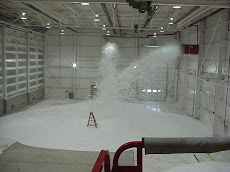
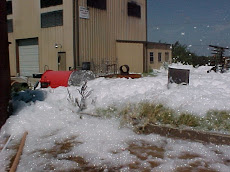
Se agrega a las bebidas para obtener espuma y en extinguidores de incendio.
La saponina presenta algunos usos en medicina especialmente en enfermedades respiratorias y dérmicas. Por su semejanza estructural con algunos esteroides, podría participar en la producción de hormonas sintéticas para el control de la natalidad. Se destaca también la acción hemolítica.(Tocal y Rosende, 1986).
Debido a que la mayoria de las saponinas disponibles comercialmente son fabricadas para estos propósitos técnicos,los fabricantes practicamente no discriminan de que plantas ellas provienen. Aplicaciónes de la Saponina
(1) Agroquimicos: El mecanismo funcional de la saponina es en la Tensión superficial. En aplicaciones como un agente humectante para las aplicaciones plaguicidas en polvo. La tasa de suspensión de polvo mojable de plaguicidas pueden alcanzar hasta el 85% a 90% e incluso más del 95%. La saponina podría ser utilizado como sinergista, en la difusión de plaguicidas en emulsión. Podría ser utilizado en el polvo soluble deherbicidas o herbicidas líquidos para mejorar la eficacia. Puede reducir la dosis de herbicidas puros.
La saponina, como un plaguicida biológico, también podría ser utilizado como insecticida, fungicida, nematicida, como agente de limpieza del estanques, acelera el crecimiento del camarón. El insecticida que contiene saponina, mata los gusanos, lombricesnematodos etc.
(2) Molusquicida: Es un molusquicida natural orgánico sin ningún tipo de daño potencial para los humanos, los animales y el medio ambiente.
Se aplicada en los campos de arroz para matar a los caracoles, sobre todo Golden Apple. Se puede garantizar la cosecha y calidad superior de arroz sin elementos nocivos acumulados.
(3) Acuicultura: Pesticida natural es ampliamente utilizado en la acuicultura para eliminar los peces no deseados y los insectos nocivos en los peces y estanques de camarones.
Su contenido es la T.saponina. Ayuda a los camarones a despegar del shell y mejora el crecimiento de los camarones. Desintoxica rápidamente en el agua y no son perjudiciales para el ganado y las personas que pueden usar el agua. No dejan residuos nocivos acumulativos, y es fácil de usar y económico.
En la ganadería, se puede reducir el nivel de colesterol en el interior de los animales y desarrollar productos de bajo contenido de colesterol de los animales.
(4) Alimentación: La T. Saponina para piensos es eficaz y sustituye los antibióticos, puede reducir las enfermedades para los seres humanos y animales y mejora toda la industria de cría acuática.
(5) Construcción: La T. saponina puede ser utilizado como agente espumante y de estabilización de la espuma como agente en la producción de hormigón. Tiene una función especial en los aglomerados de maderas.
(6) Química: La Saponina se puede utilizar para la producción de champú para el lavado de cabello. Tiene buenos efectos en el cabello, la protección, la inflamación, la eliminación de la caspa. La Saponina también se puede utilizar para lavar la ropa y no reduce el color o se encogen y por lo tanto la industria textil no pierde brillo.
jueves, 12 de abril de 2012
GOMA ESPUMA DE POLIURETANO CON MEMORIA
Las espumas viscoelásticas, también conocida como memory foams, son espumas de poliuretano. Es básicamente igual que una goma espuma convencional, solamente que algunos químicos que se utilizan en su fabricación son un poco diferentes y al ser utilizados logran la propiedad de «memoria» que tiene este material. Esta espuma se comporta de diferente manera dependiendo de la temperatura a la que esté. Cuando está fría, es más dura y cuando está caliente se vuelve más suave. Esta espuma se adapta a la forma del cuerpo, disipando la presión de manera muy buena, lo que hace que se utilice para distintas aplicaciones médicas y de descanso.
La espuma viscoelástica, o memory foam, fue originalmente creada para la NASA en el NASA Ames Research Center (Detalles debajo). Aunque nunca se utilizó en el programa espacial, si se utilizó para que los asientos de aviones fueran más confortables y seguros para los pasajeros y pilotos. Posteriormente, se empezó a utilizar en aplicaciones médicas, como para pacientes que tenían que estar en cama por periodos de tiempo muy largos y sin moverse, como paralíticos, o pacientes en terapia intensiva, y que desarrollan úlceras o llagas de presión e incluso gangrena. Los colchones de memory foam ayudaron de manera muy importante a que estos sucesos ya no ocurriesen.
Inicialmente, este material era muy caro, pero décadas más tarde se logró optimizar la producción y hoy en dia, ya se han desarrollado productos que, aunque todavía exclusivos, están al alcance de todos, como colchones, almohadas, cojines, cascos, etc.
La propiedad más importante que tiene este material es que disipa la presión del cuerpo de manera uniforme en toda su superficie. Esto consigue que el cuerpo, al estar acostado, no tenga puntos en los que la presión sea muy alta (cabeza, hombros, cadera) sino que el material se amolda a todo el cuerpo y disipa la presión de manera uniforme. Este material se usa principalmente para hacer almohadas y colchones. Estos productos vienen en diferentes densidades y niveles de firmeza.
Mas detalles sobre los trabajos de la NASA con estas espumas se pueden obtener en el articulo Forty-Year-Old Foam Springs Back With New Benefits.
Pueden consultarlo en: http://www.sti.nasa.gov/tto/Spinoff2005/ch_6.html
Alli pudiesen leer que estas espumas viscoelásticas fueron un desarrollo técnico para solucionar un problema concreto, la aceleración que sufrían los cuerpos de los astronautas al despegar. Si alguien le ha comentado que era para que los astronautas durmieran en el espacio, eso no es cierto pues en el espacio no se necesitan colchones. La adaptabilidad y sobretodo, su característica de disminuir la presión de la superficie de descanso sobre el cuerpo del durmiente, convirtieron rápidamente a estas espumas en uno de los materiales más empleados en la fabricación de colchones.
Las características de la viscoelástica hacen que el durmiente esté más tiempo en la fase óptima de descanso, al disminuir los movimientos de este y las interrupciones del sueño, lográndose un mayor efecto reparador del sueño y sensación de bienestar.
GRACIAS A ALMAIDA
miércoles, 11 de abril de 2012
Why is Acetone soluble in water?
Acetone is polar and water is polar. the solubility rule is as follows: "like dissolve like" meaning the more similar the polarity of two substances, the greater their ability to interact with each other.The carbonyl (i.e. C=O)residue in acetone (CH3COCH3 is the real formula) which is polar in nature due to the difference in electronegativity b/wn C and O, forms an overall molecular dipole in acetone. This molecular dipole is nearly identical to water--in fact, acetone has a dielectric constant of about 77 while water's dielectric constant is about 80 at room temperature and thus would be soluble in water.
Hydrogen bonding DOES occur between acetone and water as the oxygen of acetone's cabonyl can hydrogen bond with the O-H bonds of water. However, the presence of such hydrogen bonding would in fact only lend to the ability of the two types of molecules to be miscible with each other.
viernes, 9 de marzo de 2012
THE CLEANING OF FABRICS AND CARPETS, Some Concepts and Tips
The accumulation of soil on textiles is one of the factors that cause textiles to deteriorate.
Spilled food, for example, can turn a textile that is normally unappetizing to insects into an attractive meal for moths and carpet beetles. The "ground-in" dirt can increase the abrasion of yarns, causing them to weaken and lose luster.
Soil removal is one of the most important aspects of caring for textiles if they are to be maintained in good condition.
Soil deposited on textiles is made up of different materials. Some types of soil are soluble in water, other types are insoluble. Soluble soil is made up of organic acids, mineral acids, alkaline substances, blood, starches and sugars. All of these substances dissolve in cool or warm water, although they may require special stain removal techniques.
Water is an effective solvent used widely in the process known as wet cleaning.
Water alone will remove water-soluble soil, but insoluble soils may be held onto the textile by physical means such as films, greases or oils. Such soils require the use of some kind of cleaning aid.
For any detergent to clean, it has to interface with the soil. Unlike laundering, in carpet cleaning, whether shampooing or hot water extraction, the detergent comes in contact with the soil for a very short period of time.
In shampooing, very little water is employed and in hot water extraction there is less mechanical action to dislodge the soil particles. Many professional cleaners apply presprays to heavily soiled areas.
Just as dried-out food left on a plate is much easier to clean if pre-soaked, research has shown that leaving presprays on the soiled areas for about 10 minutes results in significant improvement in performance, and will greatly aid in spot removal (stains being more challenging and needing additional treatment).
If the prespray is left on for too short a time period, the improvement will be too small; if left for too long a time period, there will be a risk of overwetting the carpet, causing distortion, browning, dye bleed or rapid re-soiling after cleaning.
You have to keep in mind you are cleaning the carpet surface and not the backing.
Using organic solvents
Organic solvents, which are often called "dry solvents," can dissolve some types of dirt; agitation is often necessary to aid dirt removal. Sometimes surfactants and water are added to the organic solvent.
The low surface tension of all dry solvents allows wetting of the textile fibers without the addition of surfactants.
Rinsing and drying completes the solvent cleaning process.
However, wetting of fibers is not a sufficient prerequisite for satisfactory cleaning results. Wetting allows close solvent fiber interaction.
In hydrophilic textiles like wool, cotton and rayon, swelling is not a big issue, but in non-polar fibers (see "Polarity" sidebar) such as polyester or olefin, the dry solvent could pose a problem by retaining the dry solvent in the textile and affecting its properties.
Normally, a solvent forms a uniform solution with the soil it dissolves. Most commercial cleaners use solvents that evaporate rapidly so that the bulk of the solvent can be removed by good ventilation.
A good, effective dry solvent will dissolve the soil rapidly, evaporates quickly, removes stubborn soils like waxes or polymers, is non-flammable with reduced toxicity; but unfortunately, with ever accumulating new environmental/health regulations, it has become impossible to find an ideal solvent fitting all the criteria.
Troublesome stains
There are times in the process of carpet cleaning, such as shampooing or hot water extraction, that you encounter stains that will not respond to normal cleaning procedures.
In these cases, there are a variety of materials and processes that can help remove these stains. They can range from solvents, oxidizing/reducing agents, freezing agents for removing chewing gum, gels, rust removers, acids, alkalis, etc. How long should the contact time be? It all depends on the stain and procedure attempted.
If the stain is fresh, it may not present much of a problem; if it is urine, a spray extraction machine will generally suffice.
But if it is a colored fruit drink on a nylon 6 carpet, the color uptake by the carpet is rapid; with nylon 6,6, it is slower but still occurs. You may be able to lessen the intensity of the stain by utilizing three percent hydrogen peroxide and using the heat transfer method described in the next paragraph.
Use a 50/50 mixture of hydrogen peroxide and sudsy ammonia, dampen a white cotton towel and apply it onto the stain, then place a hot electric iron (past the steam setting) on the wet cotton towel and you will note some transfer in color. Repeat the procedure using another area on the towel, (use impermeable rubber gloves as the hydrogen peroxide evaporates slower than water and gets concentrated and is liable to burn your skin). By this method, the carpet dye may transfer as well, so be careful.
Bleaching a stain using an oxidizing or a reducing agent will show rapid results, while the use of enzymes to digest a stain will take longer.
Solid stains also take longer; if the material can be broken up by a spatula or a stainless steel spoon, it will increase the surface to help break it down.
If dealing with wax, a warm iron can be used over the absorbent paper towel, but do not overheat and melt the fibers. Chewing gum will require freezing and/or solvent.
Be careful with organic solvents as they may be flammable, toxic or may adversely affect the backing seams. Sometimes, marking pens are used on the inside of upholstery furniture and they may bleed through. When using solvents, use the mildest solvent first, such as non-polar mineral spirits, and gradually move towards more aggressive solvents, such as glycol ethers, and rinse.
Nasty surprises
There are some stains that may only appear after the carpet has been cleaned.
These could be latent stains due to previous sprays, spills or by tracking (intended or unintended) products such as insecticides, foot powder, bleaches or face creams, which can destroy carpet dye.
There are many residues that, upon becoming wet due to carpet cleaning moisture, cause carpet dyes to fade or to be removed completely.
If this happens to you, you can try to explain to the customer that the cleaning solution used to clean the carpet, coming in contact with the affected area of some unknown residue, has adversely affected the area. This is not something the customer will want to hear, but it is accurate information.
Light or fume faded stains are not really stains, but discolorations, and will not respond to cleaning. In such cases, it may become necessary to spot dye the carpet or replace the section from a remnant, if one is available, or from an inconspicuous area, such as a closet. The color of the replaced piece may appear brighter than the rest of carpet, and the wear pattern may not match as well
jueves, 8 de marzo de 2012
CELLULOSE THICKENERS
Take a Closer Look At Cellulose Thickeners
Some of the most useful thickeners for aqueous systems are cellulose derivatives. They also furnish other qualities. In the construction industry, they control the water binding ability of cement, gypsum and fillers. They perform the same function in wallpaper paste. As additives in laundry detergents, they prevent graying and discoloration. As thickeners in the food industry, they enhance composition, form, structure and consistency. In tablets in pharmaceuticals, they are binding agents and help release the active ingredients. Of course, cellulose derivatives are widely used as thickeners in the cosmetic industry.
The chart below shows how some cellulose ether derivatives are created and their water solubility.
In cosmetics, cellulose derivatives can be used in both shampoos and conditioners. In shampoos, besides providing viscosity, they boost and stabilize foam and add a creamy texture to formulations. They are stable in salt and cationic solutions, increase viscosity across a broad pH range and allow the use of little or no salt. In conditioning systems, they become viscous in the aqueous phase through hydrogen bonding. The products are pseudoplastic, spread easily and rinse off easily from the hair. Cellulose derivatives can also help to stabilize emulsions.
AkzoNobel, Bridgewater, NJ, manufactures the cellulose derivatives listed below. The number after the name denotes the typical viscosity of a 1% solution in water.
*Structure Cel 12000 M
Methyl Hydroxyethyl Cellulose
Structure Cel 4400 E
Ethyl Hydroxyethyl Cellulose
Structure Cel 500 HM
C12-16 Alkyl PEG-2 Hydroxypropyl
Hydroxyethyl Ethylcellulose
*This is also available in a lower viscosity 8000 M grade.
An example of its use in hair products follows:
Sulfate-Free Shampoo
Ingredients:
%WT.
Water
83.0
Sodium C14-16 olefin sulfonate
7.5
Cocamidopropyl betaine (and) water
7.5
Structure Cel 8000 M
1.5
DMDM hydantoin (and) iodopropynyl butylcarbamate
0.5
Procedure: Stir constantly. Mix first three ingredients in tank. Slowly sift in Structure Cel and heat to 40°C. When hydrated, cool to room temperature and add last ingredient. This yellow product is clear to slightly hazy, has a pH of 6-7, and a viscosity of 18,000 to 22,000 cps.
Harvey M. Fishman
Consultant
Harvey Fishman has a consulting firm located at 34 Chicasaw Drive, Oakland, NJ 07436, hrfishman@msn.com, specializing in cosmetic formulations and new product ideas, offering tested finished products. He has more than 30 years of experience and has been director of research at Bonat, Nestlé LeMur and Turner Hall. He welcomes descriptive literature from suppliers and bench chemists.
TAKEN FROM HAPPI, GLEAMS & NOTIONS, JAN 2012
LONZA GROWTH IN DISINFECTANTS
A Winning Combination
Lonza’s $1.2 billion acquisition of Arch Chemicals creates a global leader in the $10 billion microbial control segment.
Tom Branna • Editorial Director
It’s the perfect fit of complementary chemistry and hard assets, according to company executives. The completion of Lonza’s $1.2 billion acquisition of Arch Chemicals last year puts a broad range of microbial control solutions under one roof for the personal care, household, industrial and institutional cleaning markets.
The acquisition of Arch, which reported sales of $1.4 billion in 2010, also made Lonza the leader within the $10 billion global microbial control market, which is growing 4-5% a year, according to industry observers.
But while the sheer size of the acquisition is impressive, a Lonza executive is quick to point out that the big winners to emerge from the deal will be customers.
“Our customers will benefit from a broader portfolio of registered active ingredients and formulations,” explained Frank Kicklighter, Lonza Microbial Control’s head of marketing and communications. “We have enhanced capabilities in toxicology, regulatory and innovation and we can now offer these services to a broader range of customers in both emerging and established markets.”
Lonza has a long history as a leader in cosmetic preservatives including hydantoin and isothiazolone chemistry. Some of the preservatives in the Lonza lineup include Dantogard 2000, a high performance preservative for household and industrial applications that’s based on DMDM hydantoin. The EPA-registered, cost-effective preservative provides broad-spectrum activity and is typically used at 0.05-0.4%.
What Arch Brings
For its part, the Arch business is the world’s leading supplier of zinc pyrithione, the No. 1 anti-dandruff ingredient, as well as natural and organic cosmetic ingredients, cosmetic preservatives and biotechnological actives.
In addition, it offers expanded technologies for cleaning, disinfecting, sanitization and preservation in many business segments, including household/consumer, institutional, industrial, food safety and healthcare.
In terms of geographic reach, Arch brings facilities in North America and Europe, as well as in South Africa and across the Asia-Pacific region.
More, More, More
At press time, Lonza was still in the integration phase regarding its Arch purchase, but Kicklighter assured Happi that customers will ultimately see more innovation from Lonza.
“We are focused on developing the right organization and culture,” said Kicklighter. “We certainly have a great talent pool.”
The acquisition also expands Lonza’s global footprint. Prior to the purchase, Lonza was historically strong in North America, Europe and Asia. Arch extends the Lonza footprint in these regions, while creating a bigger presence in South America, Africa and across the Asia-Pacific region.
Moreover, the acquisition of Arch brought into the Lonza fold an additional 17 production and R&D facilities, including the Innovation & Technology Center in Alpharetta, GA, which Kicklighter called a “world-class” facility. Opened in September 2011, the $10 million, over 65,000 square-foot facility includes space dedicated to innovation and process technology, applications research, GLP analytical labs, and a top-of-line microbiology infrastructure. For its customers, the Arch acquisition immediately creates a broader array of product offerings and services, but Kicklighter insisted that household, personal product and I&I marketers will reap many more benefits.
“We have a strong commitment to innovation,” assured Kicklighter. “The new business will increase research and development and new product development across all platforms.”
With that kind of commitment, household and personal product marketers are sure to benefit from Lonza’s acquisition of Arch.
TAKEN FROM HAPPI MAGAZINE JAN 2012
martes, 31 de enero de 2012
THE SCIENCE OF CLEANING
The Science of Cleaning
Embracing and implementing cleaning science can improve training, reduce budgets and propel the industry into the future
By Ronnie Garrett
Email the HS editors
COMMENTS ON THIS NEW CONCEPT TAKEN FROM "CLEAN LINK"
9/22/2011
When the science of cleaning comes up, the first comment out of many custodial managers' mouths is: "I don't have time for that."
And in an industry plagued by tightened budgets and labor shortages, it is hard to imagine having the time to measure soil load, then clean and measure the results, let alone analyze the data and implement changes.
Allen Rathey, president of InstructionLink/JanTrain Inc., Boise, Idaho, admits the industry doesn't have a lot of time to do this, but he is quick to add "we don't have time not to."
He emphasizes the importance of cleaning science with the following analogy: "You're rowing a boat that has a hole in the bottom and is filling up with water. There are alligators chomping at the sides and you're trying to row the boat and bail water at the same time. You don't have time to do any of those things, but you have to do all of them to get to where you're going."
Rathey explains embracing cleaning science practices and implementing them into custodial operations provides momentum that will propel the cleaning industry into the future.
"We want to be making money, using our time wisely and cleaning for health; and cleaning science is the only way to get us there," he says.
Cleaning at its most basic level is the process of removing unwanted substances from the environment. Traditionally that has meant clearing away the dirt people can see, but today it means much more.
"It's also removing the things we can't see: the microbial contaminants, chemical residues, bio- or chemical pollutants," says Rathey. "The old expression, ‘What you can't see can hurt you,' definitely applies to the science of cleaning, which is removing unwanted and invisible things that can adversely affect our health."
Start At The Very Beginning
In order to implement cleaning science into custodial operations, cleaning professionals must first learn to identify the unseen.
"Fortunately, innovations in health care and clean room environments have helped define what those invisible particles are, how to remove them and how to keep them out," Rathey says.
Once identified, cleaning professionals need to know how much of these contaminants exist in the cleaning environment. According to Dave Frank, president of the American Institute for Cleaning Sciences, Highlands Ranch, Colo., custodial operations can employ 10 different instruments to measure cleaning efficacy, including: the ATP device, which measures Adenosine Triphosphate; air quality sampling tools; and ultraviolet light testing.
These tools can be used in a variety of ways. For instance, cleaners can use ATP meters to identify germ hotspots then provide surface wipes and hand sanitizer stations to empower employees to help keep those areas clean. The same ATP meter can be used again after cleaning is complete.
"This helps determine if you've left any organic material on the surface," Rathey says. "Microbes grow on organic matter. If you remove the food supply, then you theoretically remove the microbes."
Just like the ATP device can measure matter on surfaces, particle counters measure airborne particles, which can resettle on surfaces, clog HVAC systems or be breathed in by building occupants. This tool can be used in a number of ways. For instance, it might measure contaminants in the air before and after vacuuming to determine how well a vacuum contains dust.
And because urine fluoresces, custodians might utilize an ultraviolet light to detect urine deposits in restrooms, along grout lines and so on.
"You can literally see the contaminants that are not being removed," Rathey says.
These tools help move custodial operations beyond subjective observations — such as looking at a room's appearance and judging it clean — to objective measurements, which provide information that can be used to develop best practices and ensure cleaners remove both seen and unseen contaminants.
However, properly implementing cleaning science programs hinges on management's understanding of them, adds Frank, who points out "I can't measure what I can't manage. It's management first and measurement second."
Rathey agrees stating, "We'd love to see everyone measuring, but we can't do that because everyone doesn't know how." Cleaning managers must be trained to take measurements correctly. "Once you've been trained, your measurements are going to be standard from test to test, and you'll get consistent and reliable results," he says.
Management also needs to focus on documenting the results consistently and accurately over time. The data should be kept in one place for future analysis in order to demonstrate that a particular chemical, tool or process cleans better over time.
Solution To A Problem
"Cleaning science is a solution looking for a problem," says Frank, who believes these measurements should be taken to implement a quality assurance program and build custodial training, and nothing more.
"The measurements need to be tied to a specific outcome," he explains. "We should not be measuring whether or not the surface is dirty, but the workers understanding of what they are doing. I can have the best products in the world but if the custodian doesn't know how to use them, what good are they? What am I really measuring?"
Measurements then can be used to identify and fill gaps in worker training. Let's say a hospital trains a worker to clean patient rooms. After he's cleaned, his supervisor measures the room and gets poor readings. At this point the supervisor can provide remedial training. The supervisor then measures a second time to measure progress.
"What we're measuring is not whether or not the surface is dirty but the workers understanding of what they are doing and whether or not they are doing it correctly," Frank explains.
Measurements may also be used to compare the efficacy of processes and equipment, says Rathey. For instance, an organization considering adding restroom cleaning equipment might first mop the floor, taking before and after measurements with an ATP tool, then clean the floor using the equipment, taking before and after measurements. The custodial operation can compare the results from the two tests to determine the ideal cleaning option.
Frank stresses it is important to remember product incompatibility and other factors can trigger false readings and to take these factors into account when analyzing data. For instance, bio-based cleaning chemicals leave a film behind that prompts a false reading. Measuring three hours after an area has been cleaned is also inaccurate.
Direct And Indirect Benefits
The idea behind cleaning science measurements is to come up with the most productive and effective means of cleaning. Cleaning science looks at soil removal over time.
By testing before and after cleaning, custodial operations can pinpoint processes and equipment that clean well in less time, which can boost productivity and reduce labor costs. For example, a process that puts less dust into the air directly impacts labor needs, because less follow-up dusting will be required.
For instance, "if you use microfiber instead of cotton rags, you're using a better process, which cleans better and is more effective because it kicks less dust into the air," Rathey says. "How do you know? Your measurements will tell you. Plus, with less dust in the air you can dust three days a week instead of five. The amount of time to clean with a cotton cloth and a microfiber cloth is the same, but the soil removal over time is much higher with microfiber."
Indirect benefits exist as well. A program measuring allergens in the environment might be correlated to lower allergy rates among building occupants.
"The power of those measurements over time is enormous," says Rathey. "If I show that I lowered the allergen rate in a school, for instance, I'm affecting attendance. In an office environment I'm affecting how many people have allergic reactions."
That being said, Frank advises custodial operations proceed with caution.
"You can't run around saying the building isn't clean. We already know that," he says. "The question is: ‘How are you going to resolve it?' That comes back to quality assurance and custodial training."
He recommends implementing cleaning science practices while adhering to the recommendations of ISSA's CIMS standard, which addresses quality assurance and measurement, as well as technical training.
Cleaning science programs, Frank adds, may not be a good fit for everyone. He believes healthcare facilities and single-tenant buildings will see the greatest return on investment (ROI).
"Every building could use this, but it will cost the average building between $10,000 and $20,000 to get started," he says. "This program has to go into an area where there is a strong ROI."
That being said, Rathey stresses the more custodial operations get involved in cleaning science programs, the better chance there is to raise the professionalism of the industry and the public's perception of cleaning professionals.
"The real underpinning of cleaning science is that it will help us be viewed as more than just ‘mop jockeys,' " he says. "This isn't a quick fix but rather a path to success."
Ronnie Garrett is a freelance writer based in Fort Atkinson, Wis.
viernes, 27 de enero de 2012
Removing Graffiti With Biobased Cleaners
Certain plants provide strong solvents that can replace traditional chemicals in tough cleaning applications. One of the toughest cleaning jobs is graffiti removal. Most graffiti is done with solvent or petroleum-based paints; for years, petroleum- or chloride-based cleaners were used to clean them.
But biobased graffiti removers, which contain soy, corn or citrus derivatives, are touted because they are biodegradable, safer for workers to handle and wash clean away with water. These products perform comparably to traditional removers but leave less of an impact on people and the environment. They can also remove stains from pens, markers and other inks. FROM CLEAN LINK
Removing Graffiti With Biobased Cleaners
Certain plants provide strong solvents that can replace traditional chemicals in tough cleaning applications. One of the toughest cleaning jobs is graffiti removal. Most graffiti is done with solvent or petroleum-based paints; for years, petroleum- or chloride-based cleaners were used to clean them.
But biobased graffiti removers, which contain soy, corn or citrus derivatives, are touted because they are biodegradable, safer for workers to handle and wash clean away with water. These products perform comparably to traditional removers but leave less of an impact on people and the environment. They can also remove stains from pens, markers and other inks. FROM CLEAN LINK
miércoles, 25 de enero de 2012
BIOCIDES IN EVERY DAY PLASTICS
What are Biocides?
Commercial biocides are composed, necessarily of one or several active chemical(s), and possibly a liquid, pasty or solid carrier, leading to a solution, dispersion or masterbatch.
Biocides must achieve a tricky balance of:
Bio-activity (of course) versus bacteria, fungi, algae
Controlled compatibility with the polymer host leading to suitable migration and leachability
Suitable thermal stability allowing to withstand processing and service life temperatures
Non damaging effects on the polymer end-properties: sensorial, mechanical, electrical, ageing, failure behaviour, light and heat stability
Human safety: absence of toxic, allergenic and irritating reactions of the skin
Environment safety
Cost effectiveness
If relevant, US FDA, US EPA, Eu-BPD, REACH, US FIFRA (Federal Insecticide, Fungicide and Rodenticide Act), NSF (US National Science Foundation) etc. registered, notified and ⁄ or compliant.
Active bases, very diversified, can be sliced in:
Organic antimicrobials that can be synthesized or derived from naturally occurring sources. Examples of organic antimicrobial technologies include triclosan, quaternary ammonium compounds, Octyl-4-isothiazolin-3-one (OIT)
Inorganic antimicrobials based on alkali, alkaline, transition block and metalloid elements. Examples of inorganic antimicrobial technologies include silver and copper.
Organometallic antimicrobials containing both organic and inorganic components in their structures. Oxybisphenoxyarsine (OBPA), zinc pyrithione are examples.
The liquid carriers include plasticizers such as phthalates, epoxidized soybean oil (ESBO) and epoxidized ester (Lankroflex by Akcros); and water or chemicals such as glycolic solutions (dipropylene glycol etc.), alkaline solutions.
Introduction
Bacteria, fungi and algae can affect the aesthetic and physical properties of a plastic or a rubber by causing black spotting or discoloration, pink staining, odor and polymer degradation, fouling etc. Biocides used to fight these microorganisms have two main roles:
To stop bacteria or fungi degrading the polymer's physical and sensorial properties, reduce microbe populations both within the material and at the surface. The growth of microorganisms can lead to unpleasant odors, surface and bulk degradations. Reducing odors is a goal for applications such as clothing, shoes, waste containers etc.
To prevent the build-up of harmful bacteria increasing the risk of contamination and transmission of infections for humans. Biocides act as a complementary technique for cleaning, which is also simplified and less costly.
After 'Research and Markets' the market for biocides in plastics had soared to $145m (€113m) in 2005 that is to say a significant rise of 40% since 1995. Traditional biocides are being replaced by more environment-friendly biocides also more expensive. For example, European sales of biocidal additives for the plastics and resins market are expected to grow by 5% over the next five years, with:
Silver-based actives growing by 10% annually ('Kline & Company')
Non-arsenic based formulations rising at 10-20% per year
Most demanding sectors are food processing plants, hospitals, care homes offering an ideal environment for microbes, and the incorporation of biocides in plastics and rubbers helping reduce time and money consuming cleaning. The rich panel of active biocides and their combinations allow their use in all the polymers such as, for example emulsions, solutions, dispersions, latices, solid polymers processed by injection moulding, dip moulding, blow moulding, rotational moulding, profile and tube extrusion, film, blown films, extruded films, sheets, calendering, fiber spinning, gel-coats and powder coatings, WPC, adhesives, low-VOC water-based paints and coatings.
After PVC, the biocides now concern all the commodities and other polymers such as, for example, ultra high molecular weight polyethylene (UHMWPE), high density polyethylene (HDPE), polypropylene (PP), PTFE, polyurethane, polystyrene (PS), Nylons (PA), polycarbonate (PC), acetals (POM), polyesters (PET and PBT), ABS, rubbers, thermoset resins. The patent registration concerning antimicrobials shows the increasing interest for antimicrobial fight. The linear increase leads to more than a tripling between 1990 and 2010 as we can see on Figure 'Antimicrobial-Patents'.
Natural Sourced Biocides
Cu+, Ag+, Zn2+ and Ba2+ Boost Antimicrobial Activity of PA66
C. Citterio, L. Mercante, M. Rodighiero, K. Brocchini; Lati Industria Termoplastici S.p.A., (INNOVATIVE ANTIMICROBIAL THERMOPLASTIC COMPOSITIONS) study the effects of several natural microbiocides on a 50% glass reinforced polyamide 66 (PA 66). Involved bacterial species are Staphylococcus aureus and Escherichia coli.
Antimicrobials are based on:
Cu+
Silver, Ag+, a well-known antimicrobial agent acting on the cell wall
Zinc salt
Barium salts
Bismuth
Wood flour
Sorbic acid derivatives
For the four strongest biocides, Table 2 displays the actual concentrations (inferior to 1%), the antimicrobial activity (expressed in log values) and the percent of impact strength versus impact strength of the blank.
Silver is confirmed effective in PA. The used commercial preparation is found successful even at low Ag+ concentration due to its dispersion on the support and the synergistic effect of zinc.
Additives based on Copper (I) were found valid alternative to Silver based ones in polyamides, with the advantage to have a better cost/performance ratio. Copper as antimicrobial agent is recognized by the US Environmental Protection Agency. Furthermore, Cu (I) is listed in Directive 2002 ⁄ 72 ⁄ EC and following amendments to be safely used in food contact applications.
Where Copper and Silver cannot be exploited, other valid alternatives such as Zinc and Barium salts can be used without detrimental effect on the main features of the thermoplastics, although a higher loading level is necessary. Further investigations should be conducted on the duration of the antimicrobial action, although the duration of in-mass additives is much longer than a surface treatment.
New Ways for Old Issues
The main technical problems are related to the persistence of the anti-microbial effect by using persistent additives such as silver or nano-sized mineral derivatives, organic oligomers, and grafted polymers.
Application of Silver Derivatives into Rubber Goods
Effective biocides based on silver ion-exchange resins are deactivated by reaction of silver ions with the sulphur or sulphur-based accelerators. To avoid this drawback G.R. HAAS and ALL (ACS Rubber Division, October 2001, paper 28) study the behaviour of two silver ion-exchange resins (Ag1 and Ag2) in EPDM cured with peroxides. After exposure up to 30 days at Aspergillus Niger (AN) or a mixture (Mixt) of fungi, the growth varies from traces (rating 0) for the compounds containing silver up to more than 60% (rating 4) for the controls without biocide.
Figure 6: Antifungal Activity
Nano-sized Titanium Dioxide
Nano-sized titanium dioxide leads to photo-catalytic reactions preventing the build-up of harmful bacteria and killing existing microorganisms on the surface of polymer parts and goods. Titanium dioxide, mineral and chemically stable, does not deteriorate and it shows a long-term anti-bacterial effect. Nano-sized particles are particularly active justifying their use in coatings.
Self-spreading Ionic Silicone Oligomers
R.R. PANT and ALL (J. of Applied Polymer Science, 104, 2007, p. 2954) study ionic silicone oligomers functionalized with alkylammonium chloride groups assuming two functions:
A more persistent anti-microbial effect thanks to a higher molecular weight
A self-spreading behaviour and a good wetting of a variety of materials allowing to penetrate inaccessible locations
For example, after 1 minute, the diameter of a drop laid on a given surface is about 4 times bigger than that of a low-viscosity oil and the growth of Staphylococcus Aureus is divided by several times after some days.
Functionalized Polymers
O. IGUERB (thesis, Louvain Univ., 2006) photo-graft an acrylate layer on oxidized polyethylene films to obtain an antibacterial effect. The antibacterial activity could be improved by using poly(4-vinylbenzyl chloride) (PVBC) incorporated into poly(n-butyl acryloyloxy ethyl urethane) matrix. Another possibility to obtain antibacterial materials could be the grafting of acrylate monomers containing both acrylic groups and hydrophilic positively charged tertiary amine groups.
Nano-sized Silver Compounds
Nanoco Cy has developed a new biocide called NanoSilver that increases the bactericidal properties of silver thanks to the much larger active surface of nanoparticles. Many food products can have longer use-by dates if they are stored in packaging containing NanoSilver. For example, lettuce stays fresh up to four weeks if wrapped in NanoSilver foil, just like meat, bakery and confectionery goods. In restaurants, biocidal plastic can be used for work surfaces, chopping boards, disposable packaging and dishes. NanoSilver opens up also opportunities for the clothing industry. Garments made with NanoSilver modified fibers can prevent the development of bacteria and the resulting odors.
Keep in Mind the Whole Array of Traditional and Recent Solutions
Arsenic derivatives
Oxybisphenoxyarsine (OBPA) is the most used (more than 50% of the total)
Calcium orthoarsenate
Metal derivatives
Zirconium phosphate-based ceramic ion-exchange resin containing silver
Nanosilver
Zinc Pyrithione (AlphaSan)
Titanium Dioxide Nanoparticles
Zinc pyrithione and N-Butyl-1,2-benzisothiazolin-3-one
Magnesium metaborate
Copper sulphate
Halogen and aromatic derivatives
Triclosan (2,2,4-dicholoro-2-hydroxydiphenyl ether)
2,4,4'-trichloro-2'-hydroxy diphenyl ether
Trichlorophenoxy phenol TCPP
Ortho benzyl para chloro phenol (Chlorophen)
Di chloro meta xylenoI (DCMX)
Ortho phenyl phenate (OPP)
Para chloro meta cresol(PCMC)
Para chIoro meta xylenol (PCMX)
Chlorinated xylenols
2,2-MethyIene-bis (4 chlorophenol) {Dichlorophen}
Sodium salt of Ortho phenyl phenate (SOPP)
Other halogenated compounds
N-Haloalkylthio Compounds
Iodo-Propylbutyl Carbamate (IPBC)
Sulphur Derivatives
Octyl-4-isothiazolin-3-one (OIT)
DCOIT dichloro-octyl isothiazolone
N-(trichloromethyl-thio)phthalamide (Folpet)
Thiazole derivatives
Thiazines, thiazolinones
Bethoxazin (3-Benzo(b)thien-2-yl-5,6-dihydro-1,4,2-oxathiazine 4-oxide)
Isothiazolinones
Benzisothiazolinone
Butyl-benzisothiazolinone (butyl-BIT)
Chlor-methyl and methyl-isothiazolinones
Copper stabilized chlor-methyl and methyl-isothiazolinones
Nitrogen derivatives
1,3,5-Triethylhexahydro-1,3,5-triazine
Hexahydro-1,3,5-tris (hydroxyethyl)-s-triazine
1,3,5-Triethylhexahydro-1,3,5-triazine
Furazoline
Furazolidone
Bromonitropropanediol
Cetylpyridinium chloride
Miscellaneous
Quaternary ammonium compounds
Cationic siloxane
Carbendazim (N-benzimidazol-2-ylcarbamic acid methylester)
Bronopol
Carbendazim
Carboxylic acids
Benzoic acid and salts
Tetrahydro-3,5-dimethyl-1,3,5-thiadiazine-2-thione (Dazomet)
N-3,4-dichlorophenyl-N,N-dimethyl urea (Diuron)
1,6-dihydroxy-2,5-dioxahexane
3-Iodo-2-propynyl butyl carbamate
Methylene-bis-morpholine
Pyrithione
2-(Thiocyanomethylthio) benzothiazole
Tetramethyldithiooxamide
Mixtures
Chlor-methyl isothiazolinones, 1,6-Dihydroxy-2.5-dioxahexane and n-Octyl isothiazolinone
Chlor-methyl isothiazolinones, 1,6-Dihydroxy-2.5-dioxahexane and n-Octyl isothiazolinone and bronopol
Isothiazolinone and bromonitropropanediol
1,6-dihydroxy-2,5-dioxahexane, sodium pyrithione and surfactants
N-(trichloromethyl-thio)phthalamide (Folpet) and isothiazolin
Isothiazolinones and other species such as aldehydes, triazines or quaternary ammonium compounds
Chlor-methyl and methyl-isothiazolinones and 1,6-dihydroxy-2,5-dioxahexane
1,6-dihydroxy-2,5-dioxahexane and chlor-methyl and methyl-isothiazolinones
1,6-dihydroxy-2,5-dioxahexane and isothiazolinones
Sodium salt stabilised aqueous solution of chlor-methyl and methyl-isothiazolinones
Stabilized 1.5% metal-salts free active solution of chlor-methyl and methyl-isothiazolinones
Stabilized 3.0% active solution of chlor-methyl and methyl-isothiazolinones
Benzisothiazolinone, chlor-methyl and methyl-isothiazolinones and dibromo-dicyanobutane
Isothiazolinone and bromonitropropanediol
Hexahydro- 1 3,5-tris (hydroxyethyl)-s-triazine and sodium pyridine thiol-1-oxide
Hexahydro- 1 3,5-tris (hydroxyethyl)-s-triazine and sodium pyridine thiol-1-oxide plus EDTA
Bronopol and chlor-methyl and methyl-isothiazolinones
Benzisothiazolinone and chlor-methyl and methyl-isothiazolinones
Benzimidazole carbamate and n-Octyl isothiazolinone
3-Iodo-2-propynyl butyl carbamate, n-OctyI isothiazolinone and N-3,4-dichlorophenyl- N,N-dimethyl urea
Benzisothiazolinone and Para chloro meta cresol (PCMC) solution
Alkaline solution of Benzisothiazolinone and hexahydrotriazine
Chlor-methyl and methyl-isothiazolinones and bronopol
Benzisothiazolinone and Ortho phenyl phenate solution
TAKEN FROM SPECIALCHEM PUBLICATIONS
viernes, 20 de enero de 2012
POLYMERS AS BACTERIACIDES
Polymeric Materials with Antimicrobial Activity
George Pasternack - Jan 14, 2012
Technical Paper - This article describes the state of the art in the field of antimicrobial polymeric systems during the last decade. Keeping in mind the multitude of existing systems, a classification of the different materials is carried out dividing basically those synthetic polymers that: (a) exhibit antimicrobial activity by themselves; (b) those whose biocidal activity is conferred through their chemical modification; (c) those that incorporate antimicrobial organic compounds with either low or high molecular weight; and (d) those that involve the addition of active inorganic systems. This classification is not absolutely unique and in occasions some described polymeric systems could belong to more than one section. However, the purpose of this review is to provide a handy overall vision of the antimicrobial synthetic polymers world.
More information on: http://www.sciencedirect.com/...
Vistas de página en total
GREEN CHEMICALS
Also the materials have to meet with toxicity and health requirements regarding inhalation, dermal and eye contact. There is also a specific list of materials that are prohibited or restricted from formulations, like ozone-depleting compounds and alkylphenol ethoxylates amongst others. Please go to http://www.greenseal.com/ for complete information on their requirements.
For information on current issues regarding green chemicals, see the blog from the Journalist Doris De Guzman, in the ICIS at: http://www.icis.com/blogs/green-chemicals/.
Certification is an important — and confusing — aspect of green cleaning. Third-party certification is available for products that meet standards set by Green Seal, EcoLogo, Energy Star, the Carpet & Rug Institute and others.
Manufacturers can also hire independent labs to determine whether a product is environmentally preferable and then place the manufacturer’s own eco-logo on the product; this is called self-certification. Finally, some manufacturers label a product with words like “sustainable,” “green,” or “earth friendly” without any third-party verification.
“The fact that there is not a single authoritative standard to go by adds to the confusion,” says Steven L. Mack M.Ed., director of buildings and grounds service for Ohio University, Athens, Ohio.
In www.happi.com of June 2008 edition, there is a report of Natural formulating markets that also emphasises the fact that registration of "green formulas" is very confused at present, due to lack of direction and unification of criteria and that some governmental instittion (in my opinion the EPA) should take part in this very important issue.